Wild Food UK: Foraging Pocket Guide ⎯ Article Plan

This comprehensive guide details the exciting world of foraging in the UK, covering plant and fungi identification, legal considerations,
and essential resources for safe and sustainable wild food gathering.
It will explore seasonal edibles, preservation techniques, and recommended literature like “Food for Free” and Collins Pocket Guides.
Foraging, the ancient practice of gathering wild food, is experiencing a remarkable resurgence in the UK. Driven by a growing interest in sustainable living, reconnecting with nature, and discovering the incredible bounty our landscapes offer, more and more people are turning to the wild for sustenance and enjoyment.
This pocket guide serves as an introduction to the captivating world of foraging in Britain and Ireland, providing essential knowledge for both beginners and experienced foragers alike. We’ll delve into identifying edible plants, mushrooms, fruits, nuts, and seeds, while emphasizing the crucial importance of safety and responsible harvesting practices.
From spring greens to autumnal berries, the UK’s diverse ecosystems provide a year-round harvest. However, accurate identification is paramount, as misidentification can lead to serious health consequences. This guide, alongside further learning resources like books from Robin Harford and Roger Phillips, will empower you to confidently and safely explore the wild larder.

What is Foraging?
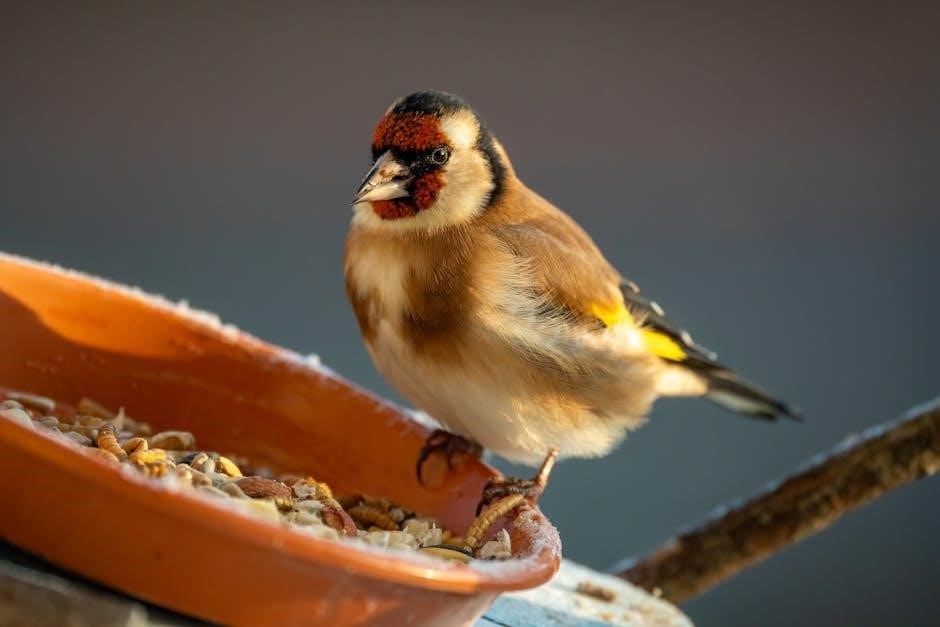
At its core, foraging is the process of identifying and collecting edible wild plants, fungi, fruits, nuts, seeds, and other resources from their natural environment. It’s a practice deeply rooted in human history, predating agriculture, and representing a direct connection to the natural world;
Modern foraging extends beyond mere survival; it’s a mindful activity that encourages a deeper understanding of ecosystems, seasonal cycles, and the intricate relationships within nature. It’s about appreciating the flavors and nutritional benefits of wild foods, often unavailable in commercial settings.
Foraging isn’t simply ‘picking’ – it requires knowledge, respect, and a commitment to sustainability. Responsible foraging involves accurate plant identification, understanding legal restrictions, and harvesting only what you need, leaving enough for the plant to regenerate and for wildlife to thrive. It’s a rewarding skill that blends outdoor adventure with culinary exploration.
The Legal Aspects of Foraging in the UK
Foraging in the UK is governed by a complex interplay of laws, primarily the Trespass Act 1980 and the Wildlife and Countryside Act 1981. Generally, access to land requires the landowner’s permission. Foraging on private land without consent is considered trespassing and potentially illegal.
The Wildlife and Countryside Act 1981 protects certain species; uprooting any wild plant is illegal without permission from the landowner, even on rights of way. Gathering of certain fungi is also restricted. It’s crucial to be aware of Sites of Special Scientific Interest (SSSIs) and other protected areas, where foraging may be prohibited or heavily regulated.
Byelaws enforced by local authorities can further restrict foraging activities. Always check local regulations before collecting anything. Sustainable foraging practices – taking only what you need and minimizing impact – are essential, even where legally permitted, to ensure the long-term health of wild populations.
Essential Foraging Tools & Equipment
Successful and safe foraging necessitates equipping yourself with the right tools. A sturdy basket or breathable bag is vital for carrying your finds, allowing spores to disperse if collecting fungi. Sharp knives or scissors are essential for clean harvesting, minimizing damage to the plant.

A reliable plant identification guide, specific to the UK, is paramount. Consider a magnifying glass for examining intricate plant details. Gloves protect your hands from irritants and thorns, while appropriate clothing – long sleeves, trousers, and sturdy boots – safeguards against scratches and insect bites.
A small trowel can be useful for carefully digging up roots (with permission!). Finally, a GPS device or map and compass are crucial for navigation and remembering productive foraging spots. Prioritize safety and responsible harvesting with these essential items.
Identifying Plants: A Beginner’s Guide
Plant identification is the cornerstone of safe foraging, demanding meticulous attention to detail. Begin by focusing on key characteristics: leaf shape, arrangement, and texture; stem structure; flower color and form; and overall plant size and habitat. Utilize multiple identification resources – field guides, online databases, and ideally, expert guidance.
Never consume a plant unless you are 100% certain of its identification. Compare your findings against several sources, noting any discrepancies. Pay close attention to potential look-alikes, especially those with toxic counterparts. Start with easily identifiable plants and gradually expand your knowledge.
Document your identifications with photographs and detailed notes. Remember, responsible foraging prioritizes accuracy and safety above all else, protecting both yourself and the environment.
Key Plant Families for Foragers
Understanding plant families streamlines identification and expands foraging knowledge. The Rose family (Rosaceae) offers edibles like wild strawberries, brambles, and hawthorn, often sharing similar leaf structures. The Umbellifer family (Apiaceae), though requiring caution due to toxic look-alikes, includes wild carrot and alexanders.
The Mint family (Lamiaceae) provides aromatic herbs like wild mint and self-heal, recognizable by their square stems. The Grass family (Poaceae) yields edible seeds from certain species, but requires expert knowledge for safe identification.
Learning these families’ characteristics aids in recognizing edible members and avoiding dangerous ones. Familiarity with family traits significantly enhances foraging efficiency and reduces the risk of misidentification, promoting responsible harvesting.
Common Edible Plants ⎯ Spring
Spring bursts with foraging opportunities! Dandelions offer nutritious leaves and flowers, perfect for salads and wines. Wild garlic, easily identified by its strong aroma, provides a flavorful addition to pesto and other dishes. Nettles, when cooked, are a vitamin-rich staple, excellent in soups and teas – remember gloves!
Primrose flowers are edible, though subtle in flavor, and can garnish salads. Chickweed is a delicate, mild-tasting green ideal for salads and sandwiches. Watercress, found in clean running water, adds a peppery kick to meals.
Always positively identify plants before consumption, and harvest responsibly, leaving plenty for regrowth and wildlife. Spring’s bounty is a delightful introduction to the world of foraging.
Common Edible Plants ─ Summer
Summer’s warmth unlocks a diverse range of edible plants. Elderflower blossoms infuse delightful cordials and sparkling wines, while the subsequent elderberries create rich jams and syrups – cook them thoroughly! Brambles (blackberries) are abundant, perfect for pies, crumbles, and preserves.
Red clover flowers add a vibrant touch to salads, and its leaves can be used in teas. Plantain (not the banana relative!) offers edible leaves, best when young, and can soothe insect bites. Hogweed shoots, resembling a milder asparagus, are a seasonal treat – carefully identify to avoid poisonous look-alikes.
Responsible harvesting is crucial; leave enough for wildlife and ensure sustainable foraging practices. Summer provides a colorful and flavorful foraging experience.

Common Edible Plants ─ Autumn
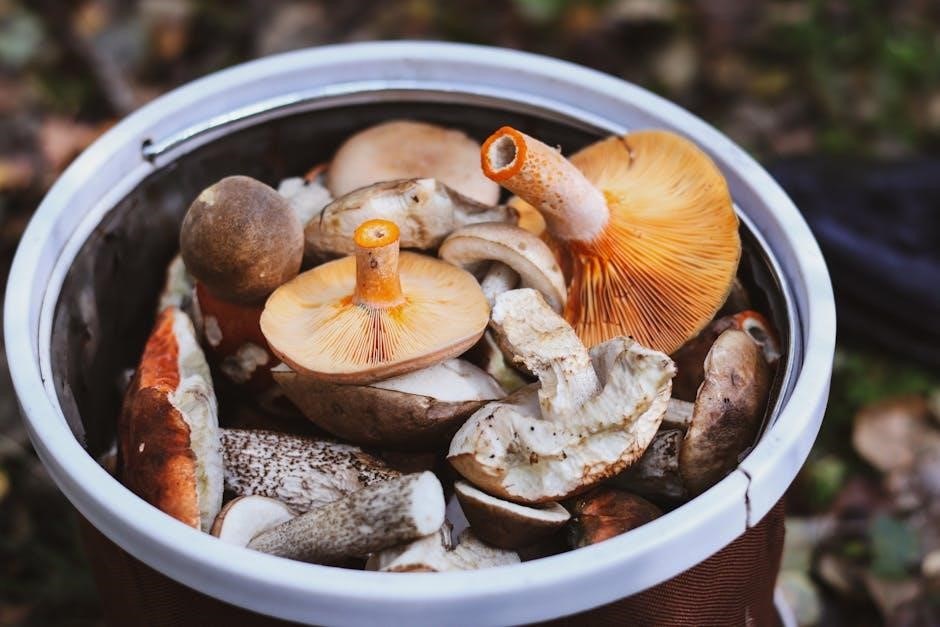
Autumn’s bounty offers a final flush of foraging opportunities before winter. Rosehips, vibrant red and packed with Vitamin C, make excellent syrups, jellies, and teas – remove the seeds first! Hawthorn berries, though a bit tart, can be used similarly, often blended with other fruits.
Crab apples, smaller and sharper than cultivated apples, are fantastic for jellies and chutneys. Sweet chestnuts become available, requiring roasting or boiling to remove their tannins. Sea buckthorn berries, intensely flavored, are rich in nutrients, though harvesting can be prickly!
Remember to positively identify all plants and harvest responsibly, leaving plenty for wildlife. Autumn provides a unique and flavorful harvest for the discerning forager.
Common Edible Plants ⎯ Winter
Winter foraging requires a keen eye and knowledge of resilient plants. While less abundant than other seasons, opportunities exist. Evergreen herbs like wild garlic (Allium ursinum) can sometimes be found in milder areas, offering a subtle garlic flavor to dishes.
Cleavers (Galium aparine), though often considered a weed, have edible young shoots and can be used in salads or as a vegetable. Nettles (Urtica dioica), if present, can be harvested with gloves for soups and teas – blanching removes the sting.
Focus on roots and stems where available, and always ensure positive identification. Winter foraging emphasizes resourcefulness and a deep understanding of the landscape. Remember responsible harvesting practices are crucial for sustainability.
Foraging for Mushrooms: A Cautious Approach
Mushroom foraging demands extreme caution. Misidentification can have severe, even fatal, consequences. Never consume a mushroom unless 100% certain of its identity, relying on multiple identification features, not just one.
Beginners should always forage with an experienced mycologist or join a guided foraging walk. Utilize comprehensive field guides like those by Roger Phillips and Collins Pocket Guides to aid identification.
Understand that mushroom appearances can vary based on weather and growth stage. Document each find with photos and detailed notes. Prioritize safety above all else; when in doubt, throw it out. Respect private land and foraging regulations.
Identifying Common Edible Mushrooms
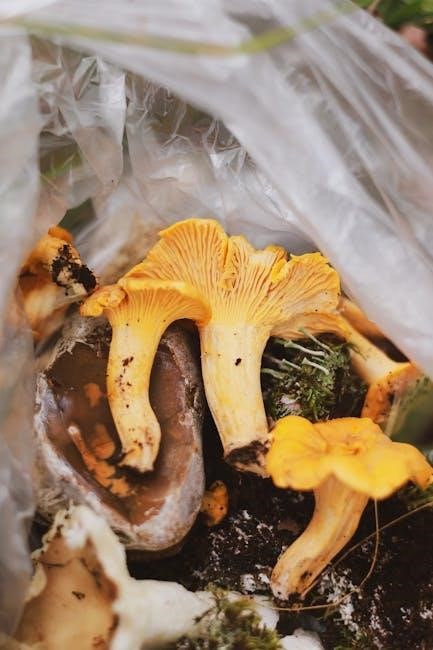
Several mushrooms are relatively safe for beginners to identify, but positive identification remains crucial. The Chanterelle (Cantharellus cibarius) boasts a fruity aroma and forked gills, differentiating it from false chanterelles. The Penny Bun (Boletus edulis), a prized find, has a thick stem and porous underside, lacking gills.
Oyster mushrooms (Pleurotus ostreatus) grow on decaying wood, displaying fan-like caps. The Wood Blewit (Clitocybe nuda), found in autumn, has a lilac hue. Always cross-reference with multiple guides and consider spore prints for confirmation.
Remember, variations exist, and look-alikes can be dangerous. Thoroughly examine cap shape, gill attachment, stem characteristics, and habitat before consumption.
Dangerous Mushrooms to Avoid
Several mushrooms in the UK are lethally poisonous, demanding utmost caution; The Death Cap (Amanita phalloides) is responsible for most fatalities, exhibiting a greenish cap and a volva (sac-like structure) at the base of the stem.
The Destroying Angel (Amanita virosa) is similarly deadly, appearing pure white. False Morels (Gyromitra esculenta) contain gyromitrin, a toxin converted to rocket fuel in the body. Webcaps (Cortinarius orellanus) cause kidney failure, with symptoms delayed for days.
Never consume a mushroom unless 100% certain of its identification. Avoid those with white gills, a volva, or a ring on the stem without expert confirmation. When in doubt, throw it out!
Mushroom Foraging Safety Guidelines
Mushroom foraging demands rigorous safety protocols. Always positively identify mushrooms with absolute certainty, utilizing multiple field guides and ideally, expert guidance. Never consume a mushroom you are unsure about. Start with easily identifiable species, like Chanterelles or Field Mushrooms.
Forage only in areas free from pollution, avoiding roadsides and industrial sites. Harvest responsibly, leaving some mushrooms to reproduce. Cook all wild mushrooms thoroughly, as some are toxic when raw.
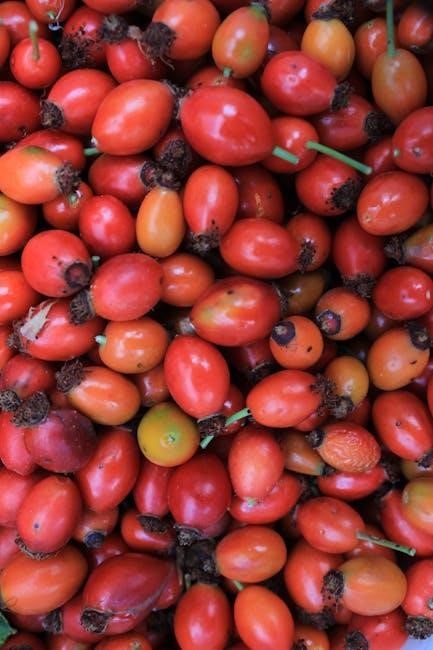
Be aware of look-alikes, and carry specimens for expert verification if needed. If you experience any adverse symptoms after consumption, seek immediate medical attention. Consider taking a foraging course!
Foraging for Fruits & Berries
The UK countryside offers a delightful array of wild fruits and berries. Foraging for these seasonal treats requires careful identification to avoid toxic varieties. Blackberries and raspberries are commonly found, ripening in late summer and autumn, easily recognizable by their distinctive structures.
Elderberries, used for syrups and jams, require cooking before consumption. Wild strawberries, though small, offer intense flavour. Always be 100% certain of identification before consuming any berry, consulting reliable field guides.
Respect private land and foraging regulations. Harvest responsibly, leaving plenty for wildlife and future growth. Be mindful of thorns and potential hazards while reaching for fruits.
Identifying Common Edible Berries
Successfully foraging for berries hinges on accurate identification. Blackberries (Rubus fruticosus) are easily spotted with their thorny bushes and aggregate fruit, turning from red to black when ripe. Raspberries (Rubus idaeus) separate easily from their core, lacking the blackberry’s central structure.
Wild strawberries (Fragaria vesca) are small and intensely flavored, with leaves distinct from cultivated varieties. Elderberries (Sambucus nigra) grow in clusters and require cooking to remove toxins. Rowan berries (Sorbus aucuparia) are bright red and often used for jellies.
Utilize field guides and cross-reference multiple sources to confirm identification. Pay attention to leaf shape, stem characteristics, and growth habit for accurate results.
Toxic Berries to Avoid
Several berries in the UK pose significant health risks if consumed. Nightshade (Solanum species), including Deadly Nightshade, features glossy black berries and is highly poisonous. Holly berries (Ilex aquifolium), though visually appealing, are toxic to humans and pets.
Yew berries (Taxus baccata) are extremely dangerous, with all parts of the plant, except the fleshy aril surrounding the seed, being toxic. Beware of berries with milky sap, as this often indicates toxicity. Never consume berries you cannot positively identify.
Symptoms of berry poisoning can include nausea, vomiting, diarrhea, and even more severe neurological effects. Always err on the side of caution and avoid any berry that raises suspicion. Prioritize safety above all else when foraging.
Foraging for Nuts & Seeds
The UK offers a delightful array of wild nuts and seeds for the discerning forager. Hazelnuts (Corylus avellana) are commonly found in woodlands, typically ripening in autumn. Acorns (Quercus species), from oak trees, require leaching to remove tannins before consumption, making them a more involved foraging project.
Beech nuts (Fagus sylvatica) are smaller and sweeter, offering a delicate flavor. Seeds from plants like burdock and dandelion can also be harvested, though in smaller quantities. Proper identification is crucial, as some seeds are inedible or mildly toxic.
Harvesting should be done responsibly, leaving plenty for wildlife and ensuring future regeneration. Store nuts and seeds in a cool, dry place to maintain freshness and prevent spoilage.
Identifying Common Edible Nuts & Seeds
Hazelnuts are easily recognized by their distinctive husks, which split open to reveal the round, brown nuts within. Acorns, encased in a cupule, vary in size depending on the oak species. Beech nuts are triangular and smooth, found within spiky husks. Careful observation of the parent tree is vital for accurate identification.
Burdock seeds are burrs, clinging to clothing and animal fur, while dandelion seeds are attached to a parachute-like pappus. Utilize field guides like Collins Pocket Guides for visual confirmation. Pay attention to leaf shape, bark texture, and overall plant structure.
Always cross-reference multiple sources before consuming any foraged nut or seed. When in doubt, leave it out!
Harvesting and Storing Nuts & Seeds
Harvest nuts when they naturally fall from the tree, indicating ripeness. Collect seeds as they mature and dry, ensuring they are fully formed. Avoid taking all the nuts or seeds from a single plant to allow for natural regeneration. Use a breathable bag for collection, preventing mold growth.
Dry nuts and seeds thoroughly before storage, spreading them in a single layer on a tray. Store in airtight containers in a cool, dark, and dry place. Consider freezing for long-term preservation, especially for oils that can go rancid.
Regularly check stored nuts and seeds for signs of spoilage, such as mold or insect infestation. Proper storage extends shelf life and maintains nutritional value.
Recipes Using Foraged Ingredients
Foraged ingredients elevate culinary experiences, offering unique flavors and nutritional benefits. Dandelion leaves can be added to salads or sautéed like spinach, providing a slightly bitter taste. Elderflowers infuse delightful floral notes into cordials, syrups, and even baked goods. Wild garlic pesto is a vibrant alternative to traditional basil pesto, perfect with pasta or spread on bread.
Haws can be made into jellies and fruit leather, while rosehips offer a tangy addition to teas and syrups. Nuts and seeds enhance granola, trail mixes, and baking recipes. Experiment with mushrooms in risottos, soups, and savory pies – always ensuring correct identification!
Remember to research recipes specifically designed for foraged ingredients, maximizing flavor and safety.
Foraged Food Preservation Techniques
Preserving foraged foods extends their usability beyond seasonal availability, reducing waste and enjoying nature’s bounty year-round. Drying is ideal for mushrooms, herbs, and berries, concentrating flavors and creating long-lasting stores. Infusing oils and vinegars with foraged herbs captures their essence for culinary use. Making jams, jellies, and chutneys preserves fruits like haws and elderberries.
Fermentation transforms ingredients like wild garlic into flavorful pickles. Freezing is suitable for berries and some leafy greens, though texture may change. Proper storage is crucial – airtight containers, cool dark places, and labeled dates are essential.
Always research specific preservation methods for each ingredient to ensure safety and quality.
Recommended Foraging Books & Guides
Several excellent resources aid in safe and successful foraging. “Food for Free” by Richard Mabey is a classic, though some editions feature only pen drawings; Roger Phillips’ “Wild Food” is highly recommended, offering comprehensive identification and numerous recipes. Collins Pocket Guides – specifically those covering mushrooms, wildflowers, and herbs – provide detailed illustrations and are easily portable.
“The Forager’s Guide to the Wild Edible Plants of Britain” by Robin Harford offers in-depth knowledge. These books are best used in conjunction with practical experience and ideally, guidance from a knowledgeable forager. Remember, books are tools, not replacements for careful identification and caution.
Investing in multiple guides can provide cross-referencing and increased confidence.
Food for Free
“Food for Free” by Richard Mabey remains a cornerstone for UK foragers, initially published in 1972 and continually updated. It’s celebrated for its accessible style and broad coverage of edible plants found in the countryside. However, it’s important to note that older copies often contain only pen-and-ink illustrations, which some find less helpful for precise identification compared to colour photography.
Despite this, the book’s detailed descriptions and information on habitats are invaluable. It’s a fantastic starting point, but experienced foragers often supplement it with more visually detailed guides. The book encourages responsible foraging and provides insights into the historical uses of wild plants.
It’s a classic for a reason, but always double-check identifications with other sources;
Wild Food by Roger Phillips
Roger Phillips’ “Wild Food” is consistently recommended as an excellent foraging resource for the UK. It stands out due to its high-quality colour photographs, which are crucial for accurate plant and fungi identification – a significant advantage over guides relying solely on illustrations. The book is praised for its comprehensive nature, covering a wide range of edible species found across the United Kingdom.
Beyond identification, “Wild Food” includes a substantial collection of recipes, demonstrating how to prepare and enjoy foraged ingredients. This practical aspect makes it particularly appealing to those new to wild food cooking. Experienced foragers also value its detailed descriptions of habitats and seasonal availability.
It’s considered a fantastic all-in-one guide for both beginners and seasoned enthusiasts.
Collins Pocket Guides (Mushrooms, Wildflowers, Herbs)
The Collins Pocket Guides, specifically those dedicated to Mushrooms, Wildflowers, and Herbs, are frequently cited as superior alternatives to guides with only pen drawings. Their strength lies in providing detailed colour photographs, enhancing identification accuracy – a critical factor when foraging. These guides are lauded for being more comprehensive than some broader foraging books, offering in-depth information on each species.
Their compact size makes them ideal for carrying on foraging expeditions, fitting easily into a day bag. Each guide focuses on a specific plant group, allowing for a more detailed and focused exploration. This specialization is beneficial for building expertise in a particular area of foraging.
They are considered invaluable tools for both novice and experienced foragers.
The Forager’s Guide to the Wild Edible Plants of Britain (Robin Harford)
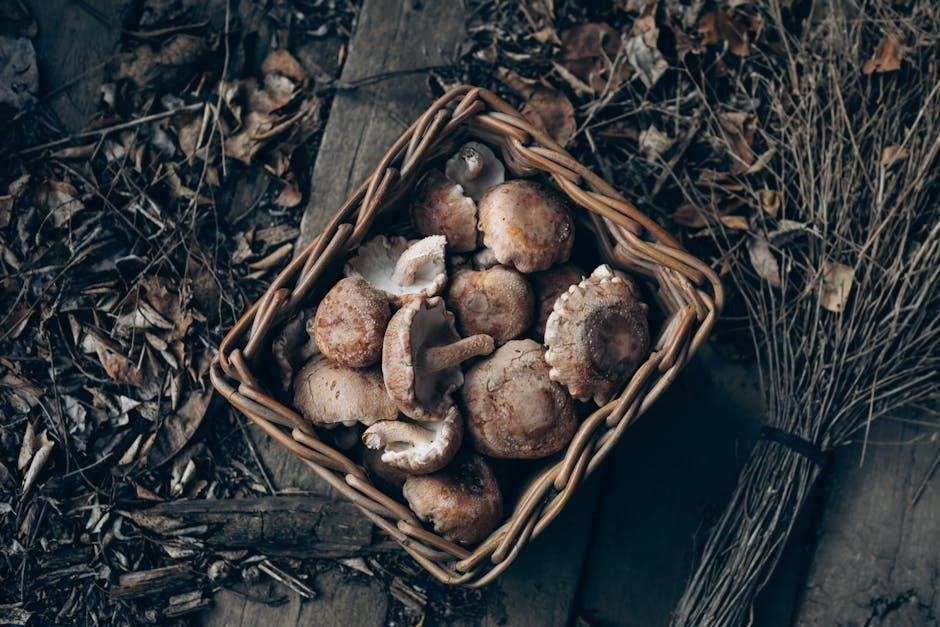
Robin Harford’s “The Forager’s Guide to the Wild Edible Plants of Britain” is presented as a comprehensive resource, a one-stop shop for those venturing into the world of foraging. Harford, from Eatweeds, has compiled a guide aimed at both amateur enthusiasts and experienced wild food experts, building upon years of practical knowledge.
This book is designed to expand a forager’s knowledge of edible species found across the UK. It’s considered a valuable addition to any forager’s library, offering detailed information and insights into identifying and utilizing wild plants. The guide’s strength lies in its depth of information and practical application for foraging in British landscapes.
It’s a highly recommended resource for anyone serious about learning to forage safely and sustainably.
Resources and Further Learning
Expanding your foraging knowledge requires continuous learning and access to reliable resources. Beyond books, online communities like r/wildcampingintheuk on Reddit offer valuable discussions and shared experiences, particularly regarding recommended literature and the importance of guided foraging courses, especially for mushroom identification.
Websites like BritishLocalFood provide curated lists of foraging books and field guides, catering to both beginners and experts. Practical Frugality highlights the benefits of compact, comprehensive guides for countryside walks, including seasonal harvesting calendars.
Consider joining local foraging groups or attending workshops to learn from experienced foragers and enhance your skills. Remember, responsible foraging prioritizes safety, sustainability, and respect for the environment.