Apple Watch Case Size Guide: Finding the Perfect Fit
Navigating the world of Apple Watch sizes can be tricky! This guide simplifies the process, helping you discover the ideal case size for comfort and functionality.
Consider wrist size and desired display area when making your choice.
Choosing the right Apple Watch size is crucial for both comfort and usability. Apple Watches aren’t one-size-fits-all; they come in various case sizes designed to accommodate different wrist sizes and user preferences. Historically, Apple has offered 38mm, 42mm, 40mm, 41mm, 44mm, 45mm, and now 49mm case options, though availability varies by Apple Watch generation.
The case size directly impacts the display size and overall watch dimensions. Larger cases provide more screen real estate, making it easier to view notifications, apps, and complications. However, a larger watch might feel bulky on a smaller wrist. Conversely, a smaller case might be more comfortable for those with smaller wrists but could feel cramped for users who prefer a larger display.
Understanding these size differences is the first step in finding the perfect fit. Apple provides resources, including printable templates (discussed later), to help you visualize how different sizes will look on your wrist. Furthermore, it’s important to note that band compatibility is also affected by the case size, adding another layer to the decision-making process. This guide will delve into each size, offering recommendations to help you make an informed choice.

Understanding Apple Watch Generations and Size Availability
Apple Watch size options haven’t remained consistent across all generations. The original Apple Watch (Series 0) launched with 38mm and 42mm cases. Series 1, 2, and 3 continued these sizes. Series 4 introduced larger options – 40mm and 44mm – offering more screen space. This trend continued with Series 5, 6, and 7, maintaining the 40mm and 44mm sizes.
A significant shift occurred with the Apple Watch Series 7, which introduced slightly larger 41mm and 45mm cases. These sizes carried over to Series 8 and Series 9. Most recently, the Series 9 and Ultra models expanded the range further, with the Ultra boasting a substantial 49mm case designed for enhanced visibility and durability.
It’s crucial to consider the generation when discussing size availability. Older models are limited to their original sizes, while newer models offer more choices. When comparing, remember that a 40mm case from Series 4 isn’t exactly the same as a 41mm case from Series 7 or later, due to subtle design changes and slightly larger display areas. Knowing the generation helps ensure you’re comparing apples to apples (pun intended!).
Current Apple Watch Case Sizes: A Detailed Overview
As of late 2026, Apple currently offers three primary case sizes across its Apple Watch lineup: 41mm, 45mm, and 49mm. The 41mm case is generally considered the best fit for individuals with smaller wrists, providing a comfortable and proportionate look. It’s available on the standard Apple Watch Series 9 and SE models.
The 45mm case strikes a balance between screen size and wearability, making it the most popular choice for a wide range of wrist sizes. You’ll find this size on the Series 9 and is a good all-around option. The largest, the 49mm case, is exclusive to the Apple Watch Ultra models. This size is designed for those with larger wrists or those who prioritize maximum screen real estate and enhanced visibility, particularly for outdoor activities.
Each size impacts the overall dimensions and weight of the watch. Larger cases naturally offer more display area and a slightly heavier feel. Understanding these differences is key to selecting the size that best suits your preferences and lifestyle. Consider how the watch will look and feel during everyday wear and various activities.
41mm Apple Watch: Ideal for Smaller Wrists
The 41mm Apple Watch is specifically designed for individuals with smaller wrist circumferences, generally falling within the 135-150mm range, though adjustability with bands allows for some flexibility. This case size offers a sleek and comfortable fit, avoiding a bulky appearance that larger models might create on smaller frames.
Despite its smaller size, the 41mm Apple Watch doesn’t compromise on functionality. It boasts a vibrant Retina display, providing clear visibility for notifications, apps, and watch faces. While the screen is smaller than its 45mm and 49mm counterparts, it remains perfectly usable for everyday tasks.

Weight is another advantage of the 41mm model. It’s the lightest of the current Apple Watch options, making it ideal for all-day wear and during activities where minimal weight is preferred. It’s a popular choice for those who find larger watches uncomfortable or distracting. Band compatibility includes options designed for smaller cases, ensuring a secure and stylish fit.
45mm Apple Watch: The Most Popular Choice
The 45mm Apple Watch consistently ranks as the most popular size, striking a balance between screen real estate and comfortable wearability for a wide range of wrist sizes. It’s generally well-suited for wrists between 145mm and 165mm, but, as with all sizes, band selection plays a crucial role in achieving the perfect fit.
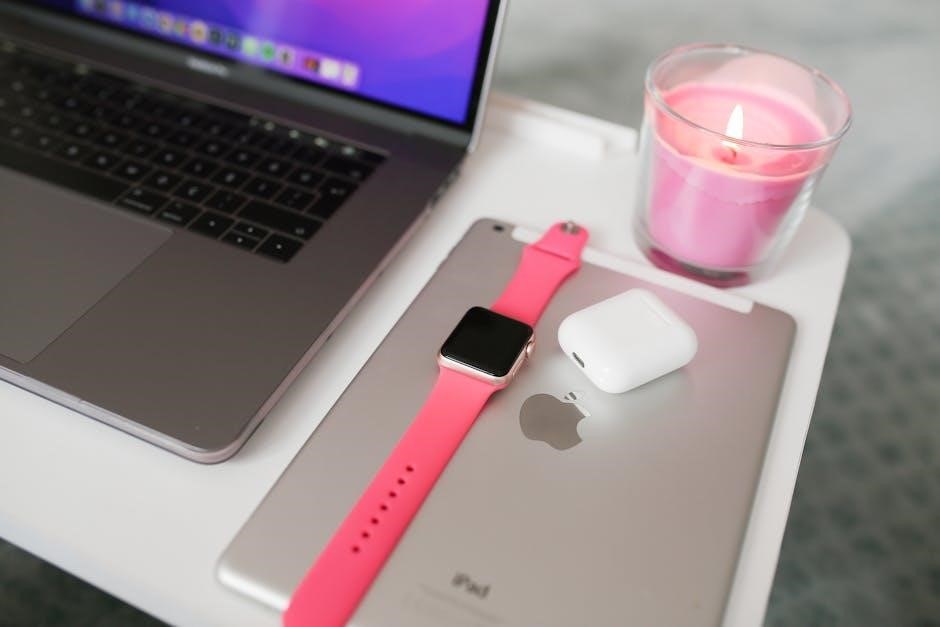
This size offers a noticeably larger display compared to the 41mm model, enhancing the viewing experience for notifications, apps, and complications. The increased screen size makes it easier to interact with the watch, particularly for those who prefer larger text or more detailed information at a glance.
The 45mm case provides ample space for advanced features and a more immersive user interface. While slightly heavier than the 41mm, the added weight is often considered negligible by users who appreciate the larger display. It’s a versatile option suitable for both everyday use and fitness tracking, offering a blend of style and functionality. Band options are plentiful, catering to diverse tastes and preferences.

49mm Apple Watch: For Larger Wrists and Enhanced Visibility
The 49mm Apple Watch is designed for individuals with larger wrists, typically exceeding 160mm to 180mm, and those who prioritize maximum screen visibility. It represents the largest available case size, offering the most immersive viewing experience and enhanced usability.
Compared to previous generations, the Series 10’s increased case size – approximately 7-9% larger than equivalent models – significantly expands the display area. This translates to more information displayed at a glance, easier interaction with apps, and a bolder, more vibrant visual experience.
While the larger size adds weight, the benefits often outweigh this consideration for users who value a prominent display and robust functionality. The 49mm case is ideal for activities requiring quick access to data, such as fitness tracking or navigating maps; It’s a statement piece that combines cutting-edge technology with a sophisticated aesthetic. Band compatibility remains consistent with other larger Apple Watch models, providing ample customization options.
Comparing Apple Watch Sizes: Side-by-Side
A direct comparison reveals key differences between the 41mm, 45mm, and 49mm Apple Watch models. The 41mm, suited for smaller wrists (135-150mm), offers a compact and lightweight design, prioritizing comfort for all-day wear. It features a smaller display, ideal for basic notifications and timekeeping.
The 45mm strikes a balance, accommodating medium-sized wrists (145-165mm) and providing a larger, more functional display. It’s the most popular choice, offering a versatile experience for various users and activities. The Series 10’s 45mm boasts a noticeable display increase over older generations.
Finally, the 49mm, designed for larger wrists (160-180mm+), maximizes screen real estate, enhancing visibility and usability. While heavier, it delivers the most immersive experience, perfect for those who frequently use apps and features. Weight differences are noticeable, with the 49mm being the heaviest. Choosing depends on wrist size, desired features, and personal preference – consider printable templates for accurate sizing.
Wrist Size and Apple Watch Case Size Recommendations
Determining the right Apple Watch size begins with accurately measuring your wrist. For wrists measuring 135-150mm, the 41mm case is generally recommended, offering a comfortable and proportionate fit. This size prioritizes a lightweight feel and is ideal for those preferring a more discreet look.
If your wrist circumference falls between 145-165mm, the 45mm case is an excellent choice. It provides a larger display without appearing overly bulky, striking a balance between functionality and comfort. This is often considered the most versatile option, suitable for a wide range of users.
For wrists 160mm and larger, the 49mm case is the best fit. It maximizes screen space, enhancing readability and usability, particularly for those who utilize the watch’s features extensively. Remember, these are guidelines; personal preference plays a crucial role. Consider using printable templates to visualize how each size will look on your wrist before making a final decision.
Using Printable Templates to Determine Your Ideal Size
Visualizing Apple Watch sizes on your wrist is crucial, and printable templates offer a practical solution. Several websites provide downloadable cutouts representing the actual dimensions of each case size – 41mm, 45mm, and 49mm.
To utilize these templates, simply download and print them to scale. Carefully cut out each size and place them on your wrist, mimicking how the watch would sit. This allows you to assess the proportions and determine which size feels most comfortable and aesthetically pleasing.
Gadget Hacks specifically recommends this method, suggesting it helps avoid purchasing a size that’s either too small or too large. Pay attention to how much wrist space each cutout occupies and whether it feels balanced. Consider your lifestyle and typical activities; a larger display might be preferable for frequent feature use, while a smaller size offers greater discretion. Printable templates are a risk-free way to refine your choice before investing in an Apple Watch.
Apple Watch Band Compatibility Across Case Sizes
Understanding band compatibility is vital when choosing an Apple Watch. While Apple has standardized the connection points, not all bands fit all case sizes seamlessly. Generally, bands are categorized to fit either the smaller (38mm, 40mm, 41mm) or larger (42mm, 44mm, 45mm, 49mm) Apple Watch models.
The Mac Security Blog details that certain bands, like the Milanese Loop, are specifically designed for smaller or larger cases. They offer different size options within those categories (e.g., 135-150mm, 145-165mm, 160-180mm wrists for smaller cases).
However, many third-party bands are designed with some flexibility, accommodating a range of case sizes. It’s crucial to check the band’s specifications before purchasing to ensure compatibility with your chosen Apple Watch model. While some overlap exists, prioritizing bands specifically designed for your case size guarantees a secure and comfortable fit. Always verify the listed compatibility to avoid disappointment and ensure optimal band performance.
Weight Differences Between Apple Watch Case Sizes
The weight of your Apple Watch is a significant factor, especially for all-day comfort. Larger case sizes naturally translate to a heavier device. The Mac Observer highlights that smaller cases weigh less, while larger ones offer more features but add noticeable weight to your wrist.
Specifically, the difference between the 41mm and 45mm models is perceptible. While exact weights vary slightly by material (aluminum, stainless steel, titanium), the 45mm generally adds around 8-10 grams compared to the 41mm. This may not seem substantial, but it can impact comfort during workouts or sleep.
The 49mm Ultra model is the heaviest, designed for rugged use and featuring a larger battery. If you prioritize a lightweight feel, the 41mm is the best choice. If you prefer a larger display and don’t mind the added weight, the 45mm or 49mm might be suitable. Consider your activity level and wrist sensitivity when evaluating these differences.
Display Size and Resolution Differences
The Apple Watch display size and resolution scale directly with the case size, offering a more immersive experience with larger models. The Mac Security Blog notes that the increased case size in Series 10 means displays are approximately 7% (46mm) and 9% (42mm) larger than previous Series 7, 8, and 9 equivalents.
The 41mm Apple Watch features a smaller display, suitable for quick glances at notifications and basic information. The 45mm and 49mm models provide significantly more screen real estate, making it easier to read messages, view maps, and interact with apps. This is particularly beneficial for users with visual impairments.
Resolution also increases with size. A higher resolution means sharper text and images. While the smaller displays are perfectly adequate for many users, the larger displays offer a noticeable improvement in clarity and detail. If you frequently use your Apple Watch for detailed tasks or enjoy media consumption, a larger display is highly recommended. Consider your visual needs and usage patterns when choosing a size.

Impact of Case Size on Features and Usability
Apple Watch case size significantly impacts usability, influencing everything from on-screen content visibility to the ease of interaction with features. The Mac Observer highlights that larger cases offer more display area and resolution, enhancing the experience for tasks like map viewing and message reading.
Larger models, like the 45mm and 49mm, are particularly advantageous for users who utilize complications extensively. More space allows for a greater number of complications without feeling cluttered. The larger screen also simplifies typing on the on-screen keyboard, reducing errors and improving efficiency.
Conversely, the 41mm model, while compact and comfortable for smaller wrists, may require more scrolling and zooming when accessing detailed information. The smaller display can also make it challenging to interact with certain apps designed for larger screens. Ultimately, the ideal case size depends on your individual needs and how you intend to use your Apple Watch. Prioritize features you use most often when making your decision.
Apple Watch Series 10: Expected Size Changes
Rumors suggest the Apple Watch Series 10 will feature larger case sizes than previous generations, potentially addressing concerns about screen real estate. The Mac Security Blog reported that the increased case size in the Series 10 translates to approximately a 7% (46mm) and 9% (42mm) larger display compared to the Series 7, 8, and 9.
This anticipated increase aims to improve readability and usability, particularly for users who prefer a more expansive viewing area. While the smallest Series 10 size might still be considered small by some, the overall trend points towards larger displays becoming the standard. This shift aligns with Apple’s focus on enhancing the user experience through improved visibility and interaction.
It’s speculated that these size changes will also accommodate potential new features and functionalities. A larger display could enable more complex complications, enhanced app interfaces, and improved health tracking metrics. Keep in mind that these are expectations based on current reports, and the final specifications may vary upon official release.
Where to Buy and Compare Apple Watch Sizes
Apple’s official website is the primary destination for purchasing Apple Watches and comparing sizes. Gadget Hacks highlights the “Compare case sizes” feature available on the Apple website, allowing users to visualize the 38mm and 42mm versions on their wrist. You can access this by selecting a Watch model and tapping “View Pricing.”
Beyond Apple, authorized retailers like Best Buy, Target, and Amazon also offer a wide selection of Apple Watch models and sizes. These retailers often have display models available, enabling you to physically try on different sizes before making a purchase. Comparing prices across different retailers is recommended to secure the best deal.
Furthermore, carrier stores such as Verizon and AT&T frequently carry Apple Watches, particularly cellular models. Visiting these stores provides an opportunity to discuss cellular plan options alongside size selection. Online comparison tools and reviews can also assist in evaluating features and prices across various retailers, ensuring an informed buying decision.